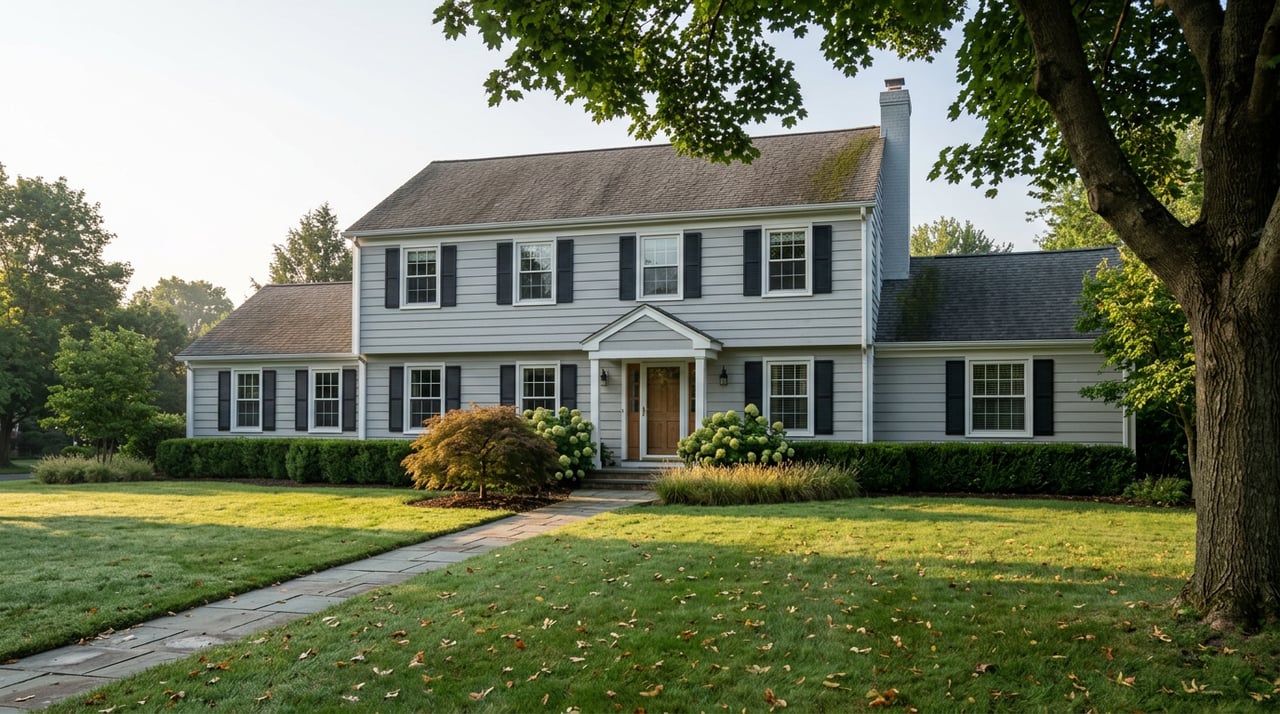
One question about buried oil tanks in Nyack is whether Rockland is one of the counties with its own rules on this. The New York State Department of Environmental Conservation's current guidance on underground heating oil tanks names three counties with delegated authority to regulate small residential tanks: Nassau, Suffolk, and Westchester. Rockland is not one of them.
That gap matters more in Nyack than almost anywhere else in the county. The village's housing stock skews old. Census-based housing data for Nyack puts the median year of construction at 1964, with more than a quarter of homes built before 1940. That is exactly the generation of house most likely to have started life on oil heat, converted to gas at some point, and left the tank behind rather than pay to dig it out. When there is no county health department running a permit program to catch that history, the burden of sorting it out falls entirely on the people at the closing table.
What Shows Up in the Yard
A standard home inspection in New York covers the roof, structure, plumbing, electrical, and heating systems. It does not include digging up the lawn. So the evidence of an old oil tank tends to be small and easy to miss on a first walkthrough: a capped pipe near the foundation, a second thin pipe a few feet away that once vented tank fumes, a patch of dead grass where fuel spilled during a delivery years ago, or a rectangular depression in the yard that settled after a tank was buried underneath.
Inside the house, the tells are just as quiet. An old burner switch at the top of the basement stairs. Disconnected copper lines running along a foundation wall toward nothing. A furnace that looks newer than the house it heats. None of these prove a tank is down there, but together they are usually enough for a buyer's inspector to recommend a separate scan before anyone signs off on financing.
In a Nyack Victorian or an Arts and Crafts colonial with the original moldings and hardwood still intact, these signs are common precisely because the systems around them have been updated in stages over decades rather than all at once. A house can be fully renovated on the inside and still be sitting on a decision someone made about heating oil forty or fifty years ago.
The Paper Trail That Doesn't Exist
In Nassau, Suffolk, and Westchester, a homeowner who wants to settle the question can go through the county health department, get a tank properly closed under that county's oversight, and walk away with a certificate that means something to the next buyer's lender. Rockland offers no equivalent front door. There is no county office to call for a closure permit specific to a small residential heating oil tank, because the state never delegated that authority here.
The tank question in Nyack gets resolved by private parties working from private documentation, not by a government stamp that closes the file for good.
That changes the practical advice for anyone selling or buying an older Nyack home. You cannot point to a county certificate and consider the matter settled. What you can produce is a paper trail built by licensed contractors: a tank sweep report, a removal invoice, soil test results if the tank had been in the ground long enough to raise the question, and documentation from whoever performed the work. That file becomes the closest thing to an official record the property will ever have, and it is worth keeping even after the sale closes, because the same questions tend to resurface at the next refinance or the next sale.
Who Actually Calls the Shots
With no county program setting the terms, three private parties end up deciding what happens next.
The buyer's inspector flags the physical evidence and recommends a tank sweep, typically using ground-penetrating radar or metal detection to locate anything buried near the foundation.
The lender decides whether the loan can close. Many mortgage lenders will not fund a purchase on a property with a known, unaddressed underground tank until it is removed and any soil concerns are resolved. That is a private underwriting decision, not a legal mandate, but it functions the same way at the closing table.
The insurer decides what happens after the sale. Standard homeowner policies typically carry a pollution exclusion clause, meaning cleanup costs from an oil leak are not covered by the same policy that protects the rest of the house. A buyer who inherits an unaddressed tank is also inheriting that exposure.
Here is roughly what those steps tend to cost in New York right now:
| Step | Typical Range |
|---|---|
| Tank sweep (GPR or metal detection) | $300 to $500 |
| Underground tank removal | $2,000 to $4,000 |
| Soil remediation, if contamination is found | $8,000 to $75,000 or more |
The wide spread on remediation is the real risk. A clean removal is a manageable line item. A leak that reached the soil is a negotiation that can stall or end a deal.
The Nyack Wrinkle: When the Village Gets Involved
Removing a tank usually means digging up part of the yard, and in Nyack that can intersect with a rule most homeowners never think about until it applies to them. The Village of Nyack's code establishes an Architectural Review Board with authority to issue a certificate of appropriateness for exterior alterations on any property designated as a landmark or located within a designated historic district. That review exists for things like windows, siding, and additions, but it can also reach landscape and yard work tied to a property's historic character if the home falls under that designation.
A tank sweep itself does not trigger this. Excavation and restoration work that changes the visible exterior of a landmark property might, depending on scope. The practical takeaway is simple: if you own or are buying a designated Nyack landmark or a home inside one of the village's historic districts, find out early whether planned remediation work needs a look from the Architectural Review Board before it needs a shovel.
For Sellers: Get Ahead of the Sweep
If your Nyack home was built before the 1970s and you are planning to list, a tank sweep before you go on the market changes the conversation with buyers. Instead of an inspector's flag turning into a scramble during your negotiation window, you arrive with an answer already in hand. If nothing is found, that removes a question before it becomes a delay. If something is found, you control the timeline for removal rather than reacting to a buyer's contingency deadline.
For Buyers: Ask for the Paper, Not Just the Promise
If a seller tells you the tank was converted decades ago and never gave anyone trouble, ask for documentation rather than taking the timeline at face value. A removal invoice, a closure report, or soil test results from a licensed contractor carry weight with your lender. A verbal assurance does not. In a village where the county is not running the paperwork, the seller's file is often the only record that exists.
A Few Questions Worth Asking Directly
Does Rockland County require homeowners to remove an old oil tank before selling? Because Rockland is not one of the counties with its own delegated oil tank program, no local permit office reviews the closure. The pressure to address it comes from your lender and your insurer, not from a county inspector.
My Nyack home was built after 1970. Am I still at risk? It depends on whether the home ever ran on oil heat, regardless of build year. A home inspector can flag the same physical clues, a capped pipe, an old burner switch, disconnected lines, on any property where oil heating history is possible, so it is worth asking the same questions even outside the pre-1940 slice of the housing stock.
Will homeowner's insurance cover a leak if one is found? Usually not. Standard homeowner policies commonly include a pollution exclusion clause that removes oil leak cleanup from coverage, which is why documentation and proactive removal matter more here than in most other parts of a home sale.
If you are weighing a sale or a purchase in one of Nyack's older homes and want to talk through what a tank question could mean for your specific timeline, Debra Gay has spent more than two decades guiding Rockland County transactions through exactly this kind of local detail. Let's Connect and figure out what your property's history actually requires before it becomes a surprise at the closing table.
This article is general information, not legal, tax or financial advice. Consult a qualified professional about your situation.